On a humid August morning in 1989, in a barn once used by Robert Frost, a young poet listened as a man warned against envy. Don Sheehan, director of the Frost Place poetry festival, told the group that artistic jealousy could ruin a writer if they let it. The antidote, he said, was simple: Fall in love with someone else’s work. Lead with compassion, and intelligence would follow.
Meg Kearney has repeated that advice every six months for twenty years. This July, the Solstice Low-Residency MFA in Creative Writing, now at Lasell University, marks its twentieth anniversary, a milestone that arrives alongside the 250th anniversary of the United States. Founded in 2006, Solstice has tried to chart a different course from the traditional MFA: less competitive, more communal, or, as Kearney puts it, “in community instead of in competition.”
I spoke with Kearney, who served as the program director during my time in the Solstice MFA, about the program’s founding, its guiding philosophy, and what has sustained it over two decades. The following interview has been lightly edited and condensed for publication.
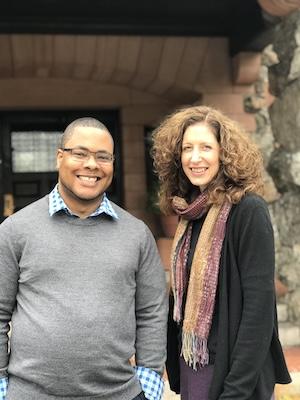
Ryan LaBee: When you first started Solstice, what did you feel was missing from existing MFA programs that you wanted to build differently?
Meg Kearney: My experience as a budding poet at the Frost Place and then my eleven-plus years at the National Book Foundation inspired me to envision a creative space that prioritized community and intelligent compassion over competition, one that nurtured writers of all sorts of backgrounds and ages. I’d witnessed firsthand the white-male-dominated publishing industry and saw much of that same representation in myriad MFA programs. I knew that, in order to nurture an inclusive student body, Solstice had to begin with faculty who represented the varied voices of America. We also had to keep tuition and other costs as affordable as possible, and offer need-based scholarships to help break down the financial barriers that keep many writers from their dreams of an MFA degree.
LaBee: In those early days at Pine Manor [College], what did you want the program to feel like for students?
Kearney: I wanted the program to feel like home. A safe home, where everyone—students, faculty, and staff—felt seen, felt inspired, felt okay sharing creative work that was new and raw and risky without worry about being dismissed or cut down. A place where there was no “us” and “them” between students and faculty. Where newer writers could learn not only the craft of their art but also the steps they should take toward getting their work into the world.
LaBee: A lot of MFA programs talk about community, but Solstice seems to really center it. What does that look like in practice, especially in a low-residency model?
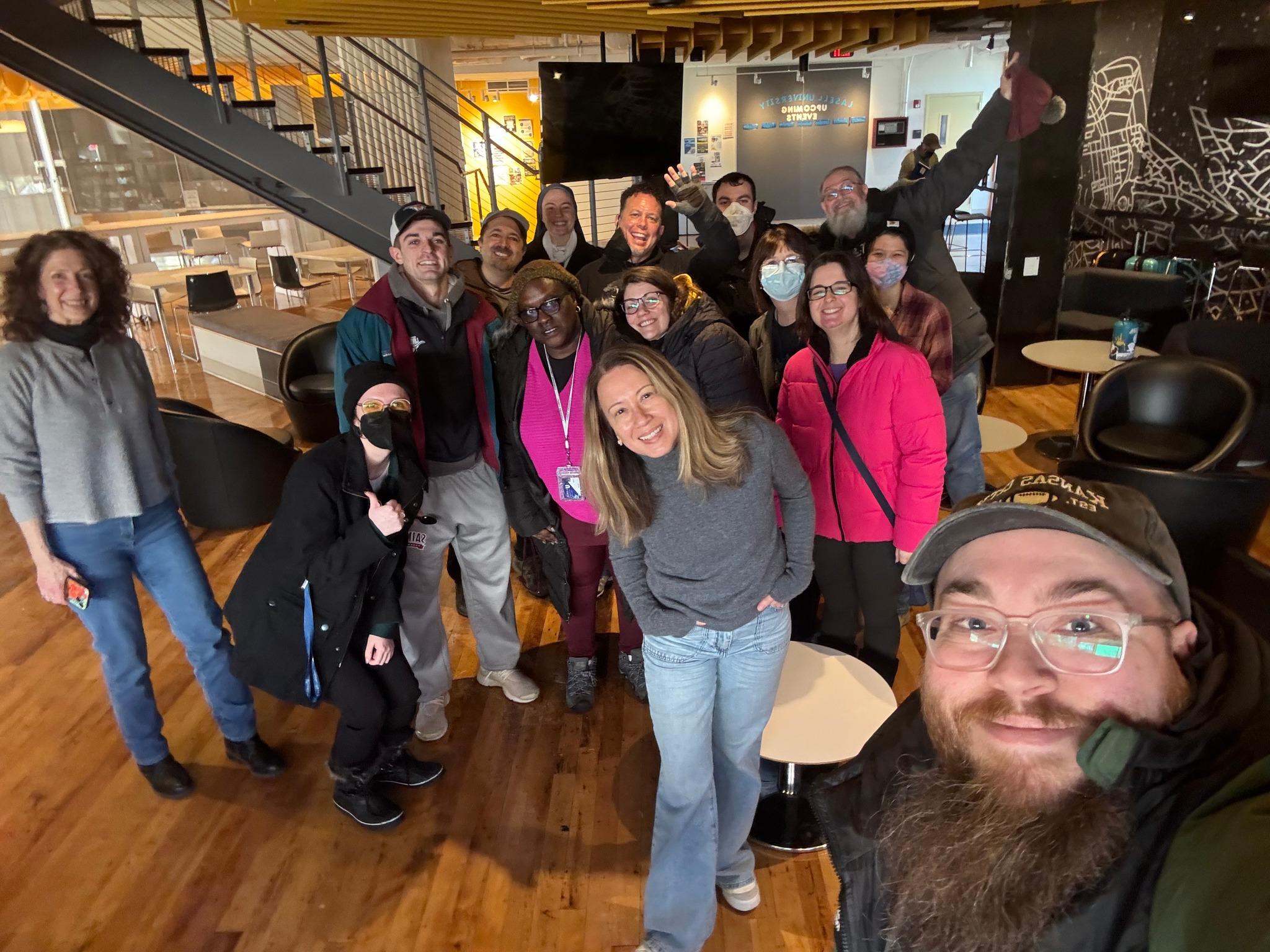
Kearney: Community is really everything here at Solstice. Most people not familiar with the low-residency model assume there is less chance to form real and lasting connections when students and faculty are together every six months instead of daily, but the opposite is true. The fact that we literally live together, share meals, walk to class, and hang out after evening readings for ten days at a time cements relationships in a way that doesn’t happen at a lot of full-residency programs. Students can bring work to the table that they are unsure of, without the ugly shadow of competition’s knife hovering at their backs.
LaBee: What do you think makes a strong writing teacher, and how does Solstice try to cultivate that?
Kearney: Not every big-name writer is necessarily a great teacher. What we look for in our faculty members is not only an impressive body of work but also a true love of mentorship. They want to be part of a community like Solstice, where faculty members aren’t hiding in an ivory tower, but sitting with students at meals and chatting after a reading.
LaBee: When Pine Manor closed during COVID, Solstice could have ended. What do you remember most about that moment?
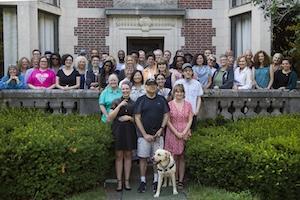
Kearney: That was the darkest moment, when it seemed in April of 2020 that Pine Manor was going to close within weeks. But even then, I told myself that even if there were a period where we were “on hold,” we would find a new home. I’ll admit to shedding a few tears, though, before Boston College stepped in to buy the campus that May and gave us time to make our move.
LaBee: Looking back over twenty years, what feels most meaningful to you?
Kearney: Oh, there are so many things: students blossoming as writers and as people, alum publishing like crazy. But milestones? Twenty years this July is a dream I couldn’t conceive of back in 2005. What stands out most is the writers’ generosity with each other. Solstice alum know that one person’s success, no matter how you define it, doesn’t take away from their own potential.
As Solstice enters its third decade, Kearney seems less interested in reinvention than in protecting the values that shaped it from the beginning: compassion, access, rigor, and community. In a literary culture often defined by competition, that may be Solstice’s most radical achievement.
“There’s truly no place like Solstice,” she says.
For twenty years now, she has been trying to make sure that remains true.
Ryan Thomas LaBee is a writer, journalist, and filmmaker originally from Hermitage, Missouri. After serving ten years in the United States Air Force, he earned a degree in English/creative writing from Missouri State University and an MFA in creative writing from the Solstice MFA Program at Lasell University. LaBee’s work, which reflects his unique perspective as a veteran, has been featured in publications such as Writing Lifeworlds and Flash Fiction Magazine. He authored the novella Killing My Flesh Without You and the fiction collection The Halloween Party: & Other Tales of All Hallows’ Eve Terror. LaBee resides in southwest Missouri with his family and pets, where he writes daily.